Jayson Lusk Urges Farmers to Tell their Stories: Part 2
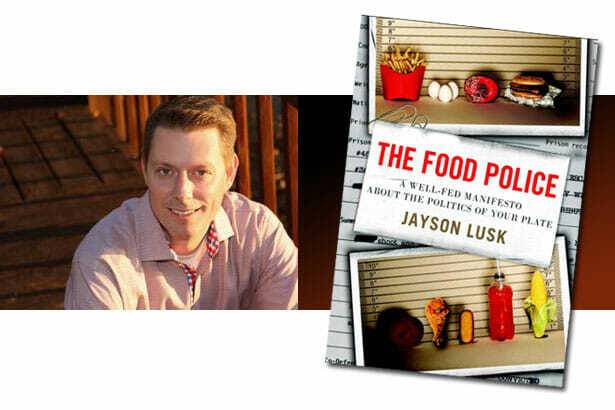
“The Food Police: A Well-Fed Manifesto About the Politics of Your Plate” by Jayson Lusk
In this past Monday’s post, we introduced you to author and economist Jayson Lusk. Jayson is a food and agricultural economist and author, was in Iowa to speak to an invited crowd at Iowa State University this past week. Latham was among the sponsors of Lusk’s Iowa State appearance.
Lusk’s book “The Food Police: A Well-Fed Manifesto About the Politics of Your Plate” debunks many criticisms of modern agriculture — from claims of environmental plunder and cruelty to animals to recklessly using GMO crops and creating a “toxic food environment” — and warns against the rise of what he calls the “food police” and “food elite” who seek to use government power to damage consumers’ freedom of food choice and farmers’ freedom to operate.
Here is Part 2 of our recap of Jayson’s speech on how to counter criticisms of conventional agriculture:
Even though some of conventional agriculture’s harshest critics seem to be the least reasonable and open to discussion, Lusk urged farmers and ag advocates to not shy away from entering the arena.
“You are being talked about. You might as well be part of the conversation. I know that is hard because you have a full-time job you don’t have time to do this kind of stuff,” said Lusk. “And it’s also a little uncomfortable. As someone who has written a book (defending modern agriculture), I get a lot of hate email, and I would be more comfortable if I didn’t get that hate email.”
The key is to remember that authors of books that denigrate modern agriculture are a tiny minority, and that most consumers (and voters) are open to hearing what farmers have to say for themselves.
Among the tactics Lusk suggested was offering to speak to school classes from elementary through college, reaching out to those who blog about home and family issues and using social media to put out positive messages. He praised efforts like the Iowa Soybean Association’s “Iowa Food and Family Project” which connects farm and non-farm families to create better understanding of the truth of American agriculture.
“You don’t need to engage with people who don’t want their mind changed. You’re not going to change some people’s mind. Those aren’t the people you want to talk to you. You want to talk to people who are there who really want to listen to you.”
During the past 10 years, Lusk has published more than 100 articles in peer-reviewed journals on topics related to consumer behavior, as well as food marketing and policy.Learn more about Jayson Lusk at his website, JaysonLusk.com. Lusk’s appearance at Iowa State was sponsored by Latham Hi‑Tech Seeds, the Iowa Soybean Association, Farm Credit Services of America, Nationwide Insurance Agribusiness and the Iowa Poultry Association.
Last week I attended a conference that made me reflect on the last four years, and how circumstances have led me to become a dealer for Latham Hi‑Tech Seeds! It’s interesting to see how many small steps led to this journey.
The first step was getting involved in the Franklin County Farm Bureau. I was asked to be on the county board and agreed only if I could help in the background. I wasn’t interested in holding any office, but that wasn’t to be! I also requested to be in as few pictures as possible, but that didn’t happen either.
Playing an active role in Farm Bureau led me to become involved in the Franklin County Harvest Bloggers Tour. The influential bloggers, who toured Franklin County and wrote about their experiences riding in a combine and learned where their food comes from, attracted national media attention including CNN. As Deb Brown wrote in her post, Starting Point, “CNN found more stories about our bloggers tour. Residents of Franklin County were actually using social media! Suddenly the topic changed from politics to how rural communities were using social media.” A group of Franklin County residents, including yours truly, were invited to the Capitol City for a television interview.
Since CNN mentioned on air that I was a farmer who blogged, Shannon Latham suggested I actually write a guest blog on TheFieldPosition.com. I’ve been telling my farm story every week – since Feb. 7, 2012 – through my “Musings of a Pig Farmer” blog! Each week it seems that I have more topic ideas than I have space because there is such a great need to bring policy issues to the forefront. Seeing a need is difficult to ignore.
Speaking of seeing a need… Shannon and I share the same affliction of massive volunteering! While she was serving as a trustee on the Iowa 4-H Foundation, Shannon learned that Franklin County was one of the few Iowa counties without an endowed scholarship fund. She decided to change that!
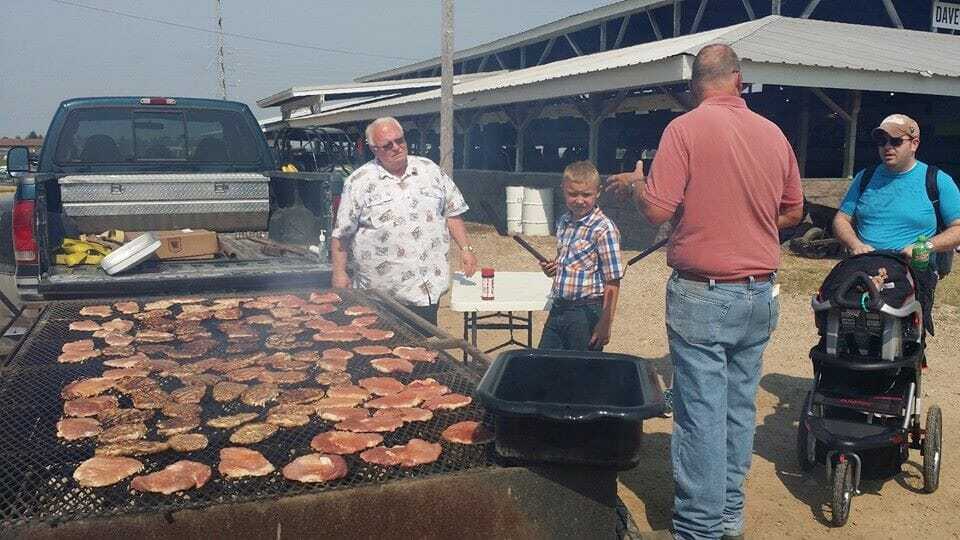
To raise money for a county 4-H scholarship, Shannon decided to host a fundraiser. She made lemonade from lemons by holding a Brown Bag Fundraiser during National 4-H Week, which just so happens to be in the heart of Iowa’s fall harvest season. And it’s working! Each year the fundraiser continues to grow. Last fall we grilled a record 600 burgers and ran out, so I can only imagine we’ll be grilling up even more come October. The community does a great job of coming out to support the cause, and we certainly appreciate the business owners who help sponsor the radio broadcast and some even help at the grill.
Committed. That’s one word I’d use to describe Shannon. After blogging for over two years, I’ve had the opportunity to get to know other members of the Latham family and realize just how committed they are to helping family farming operations succeed. John Latham is extremely passionate about picking seed products that are bred and proven to perform in specific geographic areas. Helping farmers succeed is the only way the Latham’s family business will succeed and transitions someday to the fourth generation.
For the past two years, I’ve planted 100% of my acres to Latham® seed products. I have had good results even with terrible weather and less than ideal growing conditions! This past spring I decided to take my commitment to Latham to the next level by signing on a seed dealer in Franklin County. As a result, last week I attended my first ever Latham Dealer Kickoff meeting in Dubuque.
The Kickoff meetings were to introduce Latham dealers to the new products available for the 2015 growing season and to provide sales and marketing tools to assist dealers with growing their individual dealerships. However, I found this company to be more than just a seed company. Latham Hi‑Tech Seeds is a company that was literally founded on family values and remains committed to upholding founder Willard Latham’s values.
But, Latham Seeds isn’t just focused on its own family. It’s focused on strengthening all families. Dealers’ families were invited to these meetings in Dubuque and special activities were planned for family members of all ages.
The third generation of Lathams – John, Shannon, and Chris – are taking this company to new heights while still keeping it a family owned company. It’s impressive to see how they have put together a product lineup that’s broader and deeper than the competition’s because they have the ability to feature genetics from multiple “big” companies. I couldn’t be more excited about the programs they introduced and the services, like Seed-2-Soil® they provide to help farmers choose products that are best suited to their farms. It’s going to be fun sharing this information with farmers like myself!
What services could a dealer provide to make seed buying easier or more enjoyable for you? I’m interested in your thoughts. In her closing comments last week, Shannon Latham challenged Latham dealers to find ways that they create unique and relevant customer experiences. You can bet I’m going to be thinking about answers to her question whenever I have windshield time, whether it’s behind the wheel of my truck as I drive to meetings or the wheel of my tractor!
Jayson Lusk Urges Farmers to Tell their Stories: Part 1
“The Food Police: A Well-Fed Manifesto About the Politics of Your Plate” by Jayson Lusk
When it comes to countering criticism of conventional agriculture, a noted food economist and farm advocate said last week that the most powerful thing farmers can do is tell their stories.
“The research shows that guys like me, academics like me, can get up and give people all kinds of statistics and people roll their eyes, and that statistics do not convince people,” Jayson Lusk told a group of producers and ag advocates during a presentation July 8 at Iowa State University. “Often logic doesn’t convince people. What really convinces people are stories.”
Jayson Lusk, a food and agricultural economist and author, was in Iowa to speak to an invited crowd at Iowa State before traveling to speak to the Iowa Grocers Iowa Grocery Industry Association Convention in Okoboji on July 9. Latham was among the sponsors of Lusk’s Iowa State appearance.
Lusk’s book “The Food Police: A Well-Fed Manifesto About the Politics of Your Plate” debunks many criticisms of modern agriculture — from claims of environmental plunder and cruelty to animals to recklessly using GMO crops and creating a “toxic food environment” — and warns against the rise of what he calls the “food police” and “food elite” who seek to use government power to damage consumers’ freedom of food choice and farmers’ freedom to operate.
Lusk, who is a professor in the Department of Agricultural Economics at Oklahoma State University, advised farmers and their representative organizations to “get in the game” and use the stories of their operations as a way to communicate the many benefits modern agriculture brings to consumers, such as:
Because of innovations in farming in the last 100 years, farmers produce dramatically more crops on less land than in 1900.
The American food supply is the largest, most diverse, safest and cheapest in the world.
The average American spends just 10% of his or her disposable income on food (including restaurant food), the lowest of any country in the world. “That means we other 90% of our income to spend on things that make our lives easier and more enjoyable.”
“Those of you involved in production agriculture are a lot more credible and a lot more compelling than I am,” he said. “The things you can say, even if you haven’t read all he things I have, you know more about production agriculture than I do and you can talk about why you do the things you do, and the research shows that matters (when persuading others).”
Tune in this coming Thursday for Part 2 of our recap on Jayson Lusk’s advice to farmers on how to counter criticism of conventional agriculture.
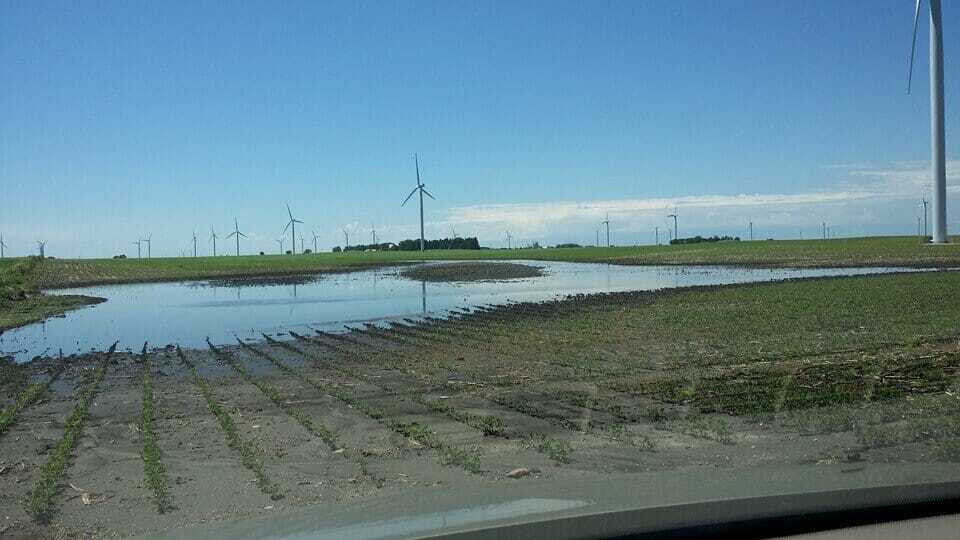
June 2014 was the wettest on record for many portions of the Midwest, and my farm is no exception. Soils have been saturated for a good portion of the past month, making it a challenge to control weeds and apply plants foods (aka fertilizer).
Plants need a well-balanced diet for optimal performance, so that’s why we “spoon feed” our corn by side dressing nitrogen. Fortunately, I finished applying nitrogen and the next day a 3-inch rain fell! Usually, getting “rained out” isn’t a big deal because the fields dry out and you go back taking care of your crops. This season’s series of rain events has made it difficult to walk through the fields to see what crop care is needed.
Heavy rains have caused damage to everything from crops and buildings to the soil. Erosion is a concern, but there is a great deal of misunderstanding by the general public. I overhear comments like, “Those d@!# farmers should do a better job of taking care of the soil. They’re letting it all wash away with all that fertilizer, polluting our water.”
Sometimes there is little that can be done. I have watched water ravage my crops during the past couple weeks with awesome power! When it rains three or more inches in just a couple of hours, that water must go somewhere because it cannot soak into the soil when it rains that fast and hard. The water builds force as it through the fields. It flows deeper and faster – and nothing can stop it.
Such force of nature is evident as videos surface of bridges and roads being washed away. Many town’s storm sewers have been so overwhelmed that raw sewage is dumping straight into rivers, which is something farmers cannot do. Isn’t it interesting the same standards don’t apply to farmers and cities? There is a zero tolerance for livestock manure, so producers must build structures large enough to contain the biggest rain.
Conservation farming – buffer strips, waterways – and even tile help make my flat, mucky soil farmable, as well as contain big rains and keep top soil from washing off the fields. Many improvements have been made in the 50 years that I’ve been farming, and new ways are being developed all the time.
For example, we’re hearing more and more about using cover crops to help hold fertilizer where it is needed. Certain cover crops, with their huge root systems, make channels in the soil so more water seeps into the ground. Wetlands are being developed to filter out sediment, just like a coffee filter keeps grounds out of your morning cup of Joe. No till, made possible by biotechnology, has been a huge tool on my farm.
While these practices have made strides in the right direction, we understand that we must practice continual improvement. Iowa farmers are leading change because it’s the right thing to do!
WHO Radio’s Tractor Ride Rolls through Franklin County
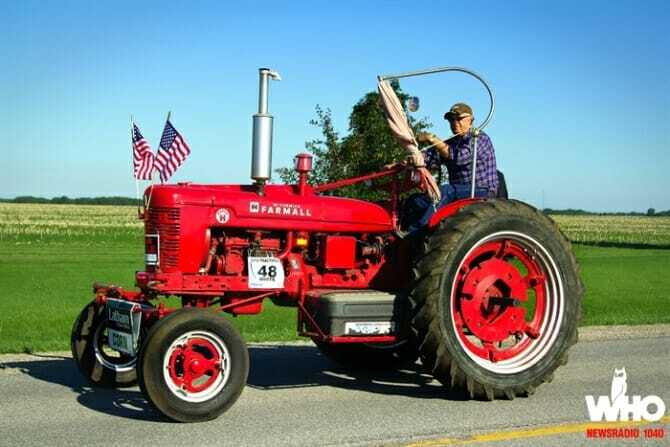
Tyden Farm #6, owned and preserved by Ted and Judi Pitzenberger of Dougherty, was the first stop last Tuesday during the WHO tractor ride. Read more here: http://bit.ly/VkPmGh
Why are old tractors top of mind? Last week WHO Radio hosted its 19th annual tractor ride across North Central Iowa, and one week ago today those riders made a stop in my home county! A steady stream of tractors paraded through the northern Franklin County town of Sheffield from about 10:30 AM until 3 PM. And these drivers came to town hungry, which is where I fit into the story…
The Franklin County Pork Producers were asked to serve a noon meal. Since I’m the guy with the grill, I got the call. I have a lot of practice grilling hundreds of pork burgers during the Franklin County Fair each July and the Franklin County 4-H Foundation Fundraiser each October.
So what’s a guy to do when he needs nearly 600 patties? I called my favorite supplier, Fareway in Hampton. Walt is meat manager extraordinaire, and I’ve had the pleasure of working with him for many years. Fortunately, he knows meat and he keeps a strong supply on hand!
During the tractor ride, Larry Sailer was live on “The Big Show” with WHO Radio farm broadcaster Mark Dorenkamp
The menu was rounded out, thanks to a great Franklin County restaurant. Mother’s Place from Latimer catered baked beans, potato salad and chocolate brownies. Plus, their staff did a fantastic job serving the food. We received many compliments, and some folks even said this was the best food served during the ride.
To make the day even better, I didn’t have to spend all of my time flipping burgers. I think it’s the first time ever that I didn’t flip one burger thanks to great help including: Ron and Cody from the Iowa Pork Producers Association; Cory and Zach Greiman from Latham Hi‑Tech Seeds; fellow pig farmer, Paul; my wife, Janice; and two of our grandkids, Darin and Carlie. What a crew!
They hard work freed up my time, so I was able to be interviewed live by WHO Radio’s “The Big Show” with Mark Dorenkamp, who was broadcasting from Ridge Stone Golf Club in Sheffield where the lunch was served. It’s always fun to talk live on WHO Radio! We talked about my weekly blog and the beautiful weather we were having that day. We even talked about a few of the tractors.
There were more than 450 tractors, and I saw many brands that I hadn’t seen in years. Most of these tractors came from quite a distance. Some were trucked in from several states away just so these drivers could take in the scenic beauty of North Central Iowa!
All in all, we couldn’t have asked for a better day. The WHO Tractor Ride visited Franklin County on a dry day when the sky was blue and the breeze was gentle. We hope folks from far and away will return again someday to visit our museums, golf at our local courses and shop our main streets. And if they ever have any questions about pork production, I hope they’ll ask me!
Recently I read this quote by the Dalai Lama: “When you talk, you are only repeating what you already know. But when you listen, you may learn something new.”
How profound! I have said many, many times that we must listen and try to understand others’ viewpoints and concerns before we can communicate why we farm and ranch the way we do. We must try to understand where people are getting their information, and what this information portrays farming to be. Only then can we understand how people process information and what they think about farming.
Others’ opinions are greatly influenced by outside sources. I’ve learned how crucial it is to find out to whom consumers are listening. In my experience, people with the strongest convictions on any certain subject are the ones who listen to rhetoric that feeds on emotions. The more their emotional heart strings are pulled, the tighter they hold onto their opinions!
That’s why it’s so important to consider the source… Did it The Des Moines Register? (Mainstream media doesn’t always cover both sides of the story nor does it necessarily get the facts straight!) If research is cited, who paid for it? Did the information come from a special interest group? If a consumer is concerned about food safety, did he or she consult with a dietician or a doctor? Or did the consumer get his or her information from the “experts,” who set up the new school lunch program? Perhaps the consumer first consult google, which is always right. Right?
All of these sources of information glean their information somewhere. For example, information may be from radical organizations with an agenda such as Humane Society of the United States (HSUS). This “non-profit organization” claims to care for animals, but it’s more about raising money to end animal agriculture. The more a person gets to know about HSUS, the better understanding they have the organizations true interest.
It’s also important to follow the money to find out how it may influence opinion. Newspapers want large circulations to keep their advertising sales strong. As a result, editors may be listening to a group here in Iowa like the Iowa Citizens for Community Improvement. I often see opinions in our state’s biggest paper from this group. Ironically, ICCI supports regulations to “protect” small farmers. As a small farmer, regulations make it more difficult for me to farm.
Regulations also have been a catalyst in farm consolidation. One example is the COOL law, or the Country of Origin Labeling. This law prevented me from sourcing my pigs from the best place I could find, which just happened to be in Canada. I had to turn to sources of pigs that were inferior, which puts me at a disadvantage because larger farmers raise their own pigs.
As you can see, not all sources of information are true experts on a subject matter. Even bonafide experts’ information may be biased by an ulterior motive or influenced by politics. Cargill’s announcement to eliminate all gestation stalls wasn’t about being better caretakers of pregnant sows. It was an image ploy to help keep their position in the market place.
Everyone has some kind of bias, I know. The way you were raised and your experiences all lead to the decisions you make and the advice you give. However, my experience has taught me there is a lot of information out there about farming. I’m all for letting consumers buy what they want, and I support food choice.
When a certain group tries to tell that another groups its products are wrong, or worse yet, they try to get regulations passed that limit choices, then I speak up. We all should!
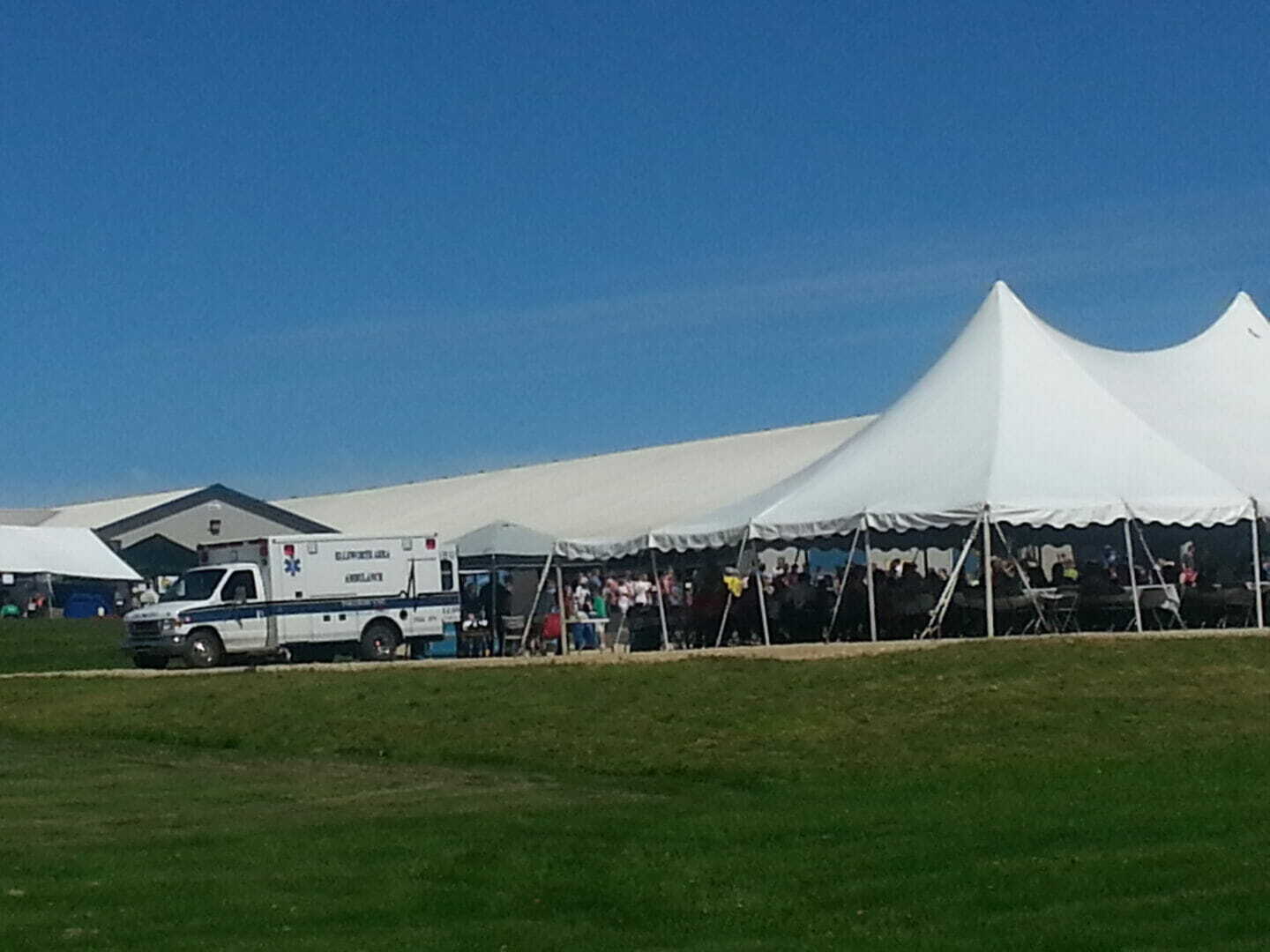
Dairy Days of Summer, which showcase the dairy industry and help promote a better understanding between producers and consumers, are a big deal in Wisconsin. Literally. An estimated 2,000 people attended an event Saturday on Son-Bow Farms near Maiden Rock.
“Dairy breakfasts remain a tradition because they bring dairy farmers and consumers closer together to share appreciation of dairy heritage and the beauty of a Wisconsin dairy farm,” reads a recent article printed by the Red Wing Republican Eagle. “The dairy industry alone contributes $26.5 billion annually to Wisconsin’s economy. While it is understood dairy is important to diet and wellbeing, it is also important to showcase the effort going into producing our favorite food.”
People traveled far and wide to enjoy favorite foods including Dad’s Belgium Waffles topped with fresh, Real® butter and whipped cream plus sausage, milk and fruit. While waiting in line to take a wagon tour of the 1,000-cow dairy, I couldn’t resist the lightly-breaded, deep-fried (to perfection!) cheese curds from Ellsworth Co-op Creamery.
Antique tractors were on display. Other displays, like “Rethink Your Drink” that compared calorie and sugar levels of popular drinks from soda and sports drinks to milk, helped educate attendees about dairy nutrition.
To encourage people to stay healthy, Latham Forage Product Manager Corey Catt and his emergency service colleagues gave demonstrations about Hands Only CPR. Hands-Only CPR, without mouth-to-mouth breaths, is recommended for use by people who see a teen or adult suddenly collapse. It consists of two easy steps:
Call 9-1-1 (or send someone to do that).
Push hard and fast in the center of the chest.
When you call 911, the American Heart Association says you need to stay on the phone until the 911 dispatcher (operator) tells you to hang up. The dispatcher will ask for details like your location, which is especially important if you’re calling from a mobile phone that is not associated with a fixed location or address. Remember, answering the dispatcher’s questions will not delay the arrival of help.
Take care of yourself! Eat properly and watch for signs of distress. Proper nutrition is key to making good decisions.
Not drinking enough liquids can alter a person’s mood, decrease his energy level or affect his ability to think clearly. It’s especially easy to get dehydrated during hot, humid days of summer. Drink plenty! Water, dairy products, tea and fruit or vegetable juices can help you stay hydrated.
The Des Moines Register did it again… the first editorial on the Opinion page of Sunday’s paper fueled another blog post. I’m glad the Register gives me material, but I’d rather these editors would just get the facts straight!
“Farmers must lead, not resist, change” reads the Sunday headline. Further down the article, the copy reads: “Iowa and other Midwest agricultural states should acknowledge changing consumer attitudes and take the lead on improving food safety, livestock conditions and environmental protection.”
Paragraph two reads: “Iowans have grown skeptical of, if not hostile to, some aspects of modern farming, including genetically modified seeds and chemical additives in food. They want to know what is in their food and how livestock is treated.”
I doubt the writers realize their editorial is sending conflicting messages. On one hand, Iowa farmers are asked to be more environmentally responsible. On the other hand, we’re being asked to farm the way we did in the “good old days.” These two trains of thought of incongruent! So, which is it?
The Sunday Register editorial makes it seem so simple… Listen and change to meet consumers’ desires. What these writers (and consumers) don’t understand how complex agriculture is and how many different types of farming operations there are. What works for one farmer may or may not work for his neighbor. What works in one state may not work in another given different climates and practices.
Another consumer outcry is for farmers to raise pigs outside in a more “natural environment.” I used to raise pigs outside. Because I try to eliminate all the stress that I can for my animals, today I raise my hogs inside climate-controlled barns. Disease and death loss has significantly decreased since I have been raising pigs in a climate-controlled environment. On a cold, windy day with wind chills of 45 degrees below zero, the reality is that my pigs are way better off inside. On a night like last night where winds were gusting at 70 mph and rain was pelting down like bullets, the reality is that my pigs are way better off inside.
You see, farmers are leading and farming practices have changed over the years for good reason. The practices I use on my farm are done for a reason, and “the consumer” could at least try to understand. Consumers also must listen to what farmers have to say.
Listening goes both ways! As a farmer, I try to listen but I must do what I believe is right for my livestock and my land. I must use the farming methods that work best for me and my farm. I will keep listening, and speaking about why I do what I do!
This past seven days was one of those weeks when it was difficult to remember if I was coming or going! The week of World Pork Expo is always busy, but this year several speaking engagements made my schedule even tighter. I didn’t want to say no to any of them because I believe each one had merit. Today I’m sharing diary excerpts to give you an idea of what goes on “behind the scenes,” or perhaps I should say “behind the mic,” at an Iowa hog farm.
Barb & I at National Pork Board
Monday I had the opportunity to meet this year’s class of leaders being trained by the National Pork Board as Barb Determan and I were asked to serve on a media panel. Barb shared tips on how to work with “old school media” by conducting radio and TV interviews. I talked about how communicating has changed in recent years and shared why I believe we must tell our stories through social media. No matter the medium, Barb and I agree that farmers must be honest and open with what we do inside our hog barns!
Tuesday I traveled about an hour away from home to meet in person with a group of Kiwanis. They had invited me to their meeting in Waterloo to talk about how raising pigs has changed over the years. I always enjoy meeting face-to-face with curious and interested individuals.
Wednesday began early with a breakfast in Parkersburg where I shared my message about Operation Main Street (OMS) with the Rotary club. Then my wife, Janice, and I made the nearly two-hour trip to Des Moines for the first day of World Pork Expo. We stood in a long line for a pork burger before watching the pig judging.
I love the little kids in the right-hand corner! Trent Loos’ daughter is the older girl in the center.
It’s always great to watch the kids circle their pigs in front of the judge, vying for the perfect spot for him to see their pig. There were so many fantastic looking pigs this year! These judges have a tough job! In the hog barns, we ran into the Loos family from Nebraska. Trent’s wife, Kelli, told us the sad story about a tornado hitting their farm while they were in Des Moines. More about that later…
Also on Wednesday, I attended a meeting to learn what’s new with PEDv. Several industry leaders told of what has been learned about this virus, which has killed more than 7 million baby pigs within the last year. Janice and I returned home after a full day of attending meetings and meeting up with old friends.
Thursday I returned to Des Moines and recorded a video for National Pork Board to use when someone calls in with questions about raising pigs. This is just one more way to get the word out about what I do.
That afternoon I attended more OMS training on how to become a better spokesman. It’s amazing what you can learn when you get out of the hog barn!
Thursday evening’s reception with food company execs
Thursday evening I was invited to a reception for the International Food Information Council, a group of top executives representing large food companies from around the world. Companies like DuPont Pioneer, which sponsored this event, invited a dozen farmers like me. Can you imagine an old hog farmer explaining to a couple of top executives, from big cities, why and how we dock tails and castrate pigs? The old hog farmer wasn’t even me, but I was fascinated as I listened to this conversation. Watching their facial expressions was priceless! (Click here to read a recount from Dan, an Iowa cattle producer who was also in attendance Thursday evening.)
Honestly, we need more events like this. Great information sharing took place. I talked with executives from Coke, McDonalds, Kraft and Nestlé, General Mills and more. They wanted to learn about farming, and I wanted to hear their concerns. I also made some great connections like Tony Flood, senior director for Food Safety & Defense with the International Food Information Council Foundation in Washington, D.C. He wants to continue our talk, and that’s always a good indicator!
Thursday night I stayed with our son Corey and his kids, who live in Pleasant Hill. Fortunately, they live near the fairgrounds because Friday started early! The fairgrounds were eerily empty at 6:30 AM. As I made my way to breakfast, I ran into Doug Fricke. As director of Trade Show Marketing for National Pork Producers Council, Doug is the top person responsible for making this show great. We talked about the weather, of course! The great weather we experienced last week made a great show even better.
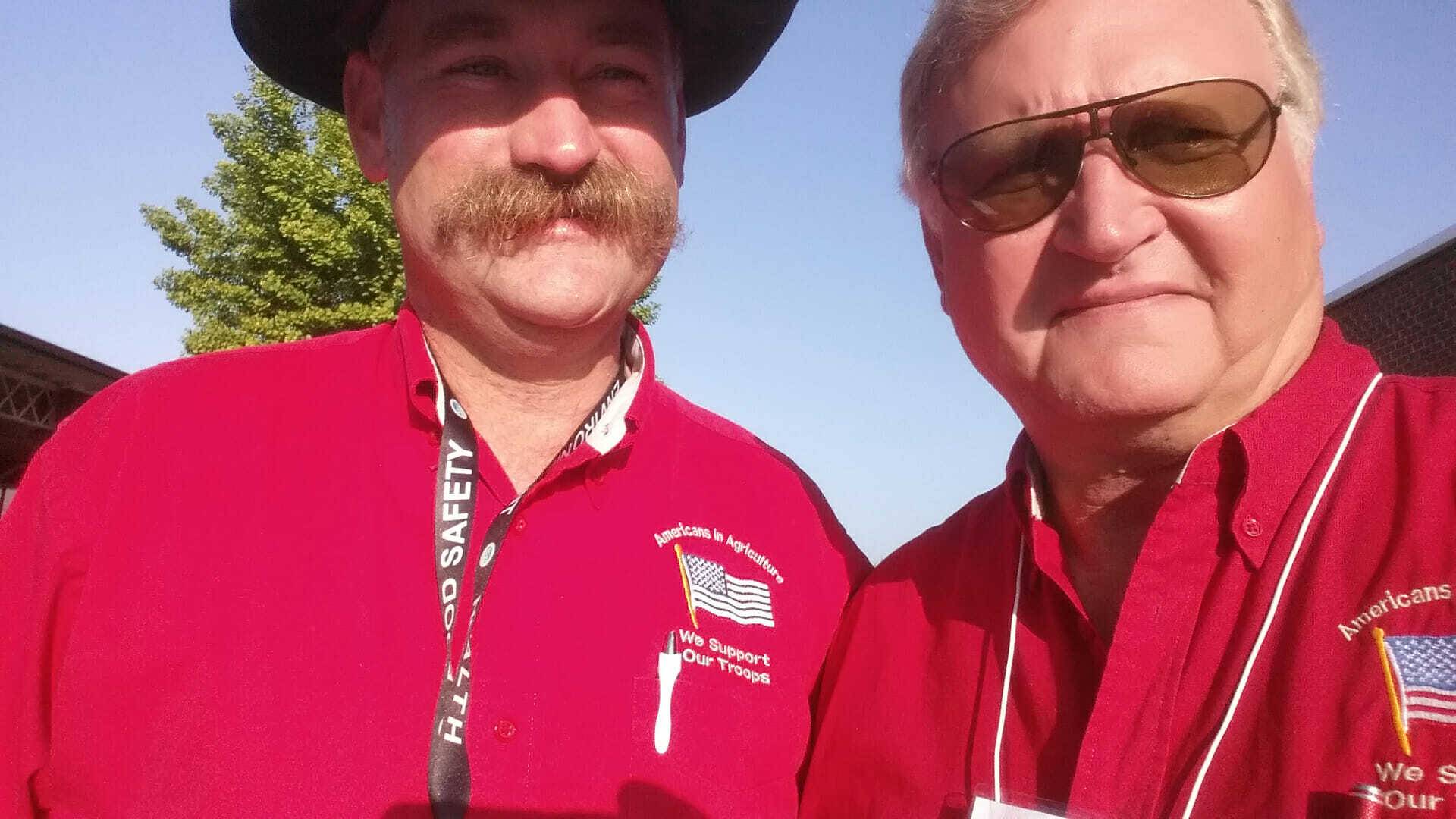
Pig farmer Larry Sailer and farm broadcaster Trent Loos sport red shirts to show appreciation for our nation’s troops, carrying on a tradition that started by the women’s Auxiliary to thank troops returning from WWII.
Next I literally crossed paths unexpectedly with Trent Loos! We were the only two people on the street, and he asked if I had 48 minutes. I thought he needed a ride to the airport and said, “Sure.” I always try to make time for friends. Then I learned Trent really needed a guest for his daily Loos Tales radio show, which is 48 minutes long! What an honor to be a part of that show, celebrating the 70th anniversary of D-day.
During this radio program, I learned the extent of damage from the tornado that Kelli mentioned earlier in the week. Their house is still standing but the roof was 100% damaged, so Trent thought he could just live in a grain bin. It’s always interesting talking to Trent because I never know what direction the conversation is going to take!
Even though I literally took a detour on my path to Friday morning’s OMS training, I got there in time to gain a few tips on how to improve my talks with high school VoAg and culinary classes. Then I finished my day WPX by attending a class on social media. Finally, I had to say “enough is enough!”
I had a hard time deciding what to cover in this week’s blog post because there are so many things on my mind. First of all, the #schoollunch program is still being discussed across social media platforms. World Pork Expo, which opens to the public tomorrow on the Iowa State Fairgrounds, is a huge event for pork producers across the globe. Even if you don’t want to show hogs or learn about modern pork production techniques, you should attend just for the great food and entertainment!
Barbecued ribs, smoked loins and grilled pork chops are among my favorite foods. I’ve been known to brake for a good hog roast! However, I can’t head for Des Moines without first stopping to vote in Iowa’s primary election.
Primary elections limit the field of candidates for the general election, and I truly believe this November’s elections will be the most important our country has ever had! Our country has certainly “changed” since 2009. It’s time to return to America’s tried and true system of checks and balances. (If you’ve read any of my past blog posts, you know how I feel about government regulations.) One branch of federal government should not be able to push such a one-sided agenda.
America cannot continue its prosperity if government takes more control. *According to our representative form of government, U.S. elected officials shouldn’t make decisions based on one person’s view of the world. Ideology is great for making goals, but U.S. politicians must exercise common sense and exhibit leadership. America’s position as “world leader” is in jeopardy. Think of being paranoid or overly dramatic? Read on…
Sunday night I saw a Facebook friend post a story about an energy agreement between Russia and China. They have agreed to build hundreds of miles of pipeline to provide cheap oil in to China. Is anyone else scared to death about China and Russia agreeing to a 30-year natural-gas deal? Cheap energy gives cheap political power. Russia has already expanded its borders, and China is on the verge of doing the same. What power does the U.S. have in foreign relations now? We have a serious national security threat when these two countries make agreements like they just did!
Russia is one of the top producers and consumers of electric power in the world
Another conversation I’ve recently had online was about how China –in just 30 years– brought one-half billion people out of poverty. Abject poverty in China was reduced from 85% of their population to 13%. That’s an unbelievable accomplishment, but at what cost? Coal plants and factories spew pollution so intense that no one can see or breathe. Much of China’s farmland is so polluted that it can’t be farmed. More farm ground was lost as dams are built on rivers to generate electricity.
If developing countries continue their path, I’m afraid America could become a third-world nation with no power! I mention this because the U.S. EPA is making rules to control water rights, which WILL damage our economy and limit job growth.
This country needs CHANGE! I encourage you to actually research each candidate running for election; don’t depend on a candidate’s TV commercials to tell you why you should or shouldn’t vote for him or her. Understand each candidate’s position on issues impacting your livelihood. Know the consequences of rules made by bureaucrats. Discuss with your friends, and make your voice heard!
*Footnote to paragraph 4: Democracies did not originate with the founding of the United States. Founders actually preferred the term “REPUBLIC” to “DEMOCRACY.”
P.S. Since I didn’t have enough room to talk more in more detail about the school lunch rule changes, I’m sharing links to recent articles related to it: