

turn this year’s results into better decisions for 2027
When the combine rolls into a field, you’re harvesting more than corn or soybeans. You’re also
collecting some of the best information you’ll have for planning next year’s crop.
Yield data matters. But the number flashing across the monitor is only part of the story.
This harvest, take time to consider what your fields are telling you — and how those
observations can help build a stronger plan for 2027.
Look Beyond the Yield Monitor
Accurate yield data can help identify variability within a field, compare performance over time
and evaluate the return on different management practices.
But don’t stop there.
Think back over the entire growing season. Where did disease pressure show up? Which
products handled stress well? Where did standability become a concern? Did certain soil types
or field conditions expose differences between products?
Sometimes the most useful information isn’t simply which product yielded the most. It’s
understanding why a product performed the way it did — and where it fits best next season.
Take notes while those observations are still fresh.
One Field Doesn’t Tell the Whole Story
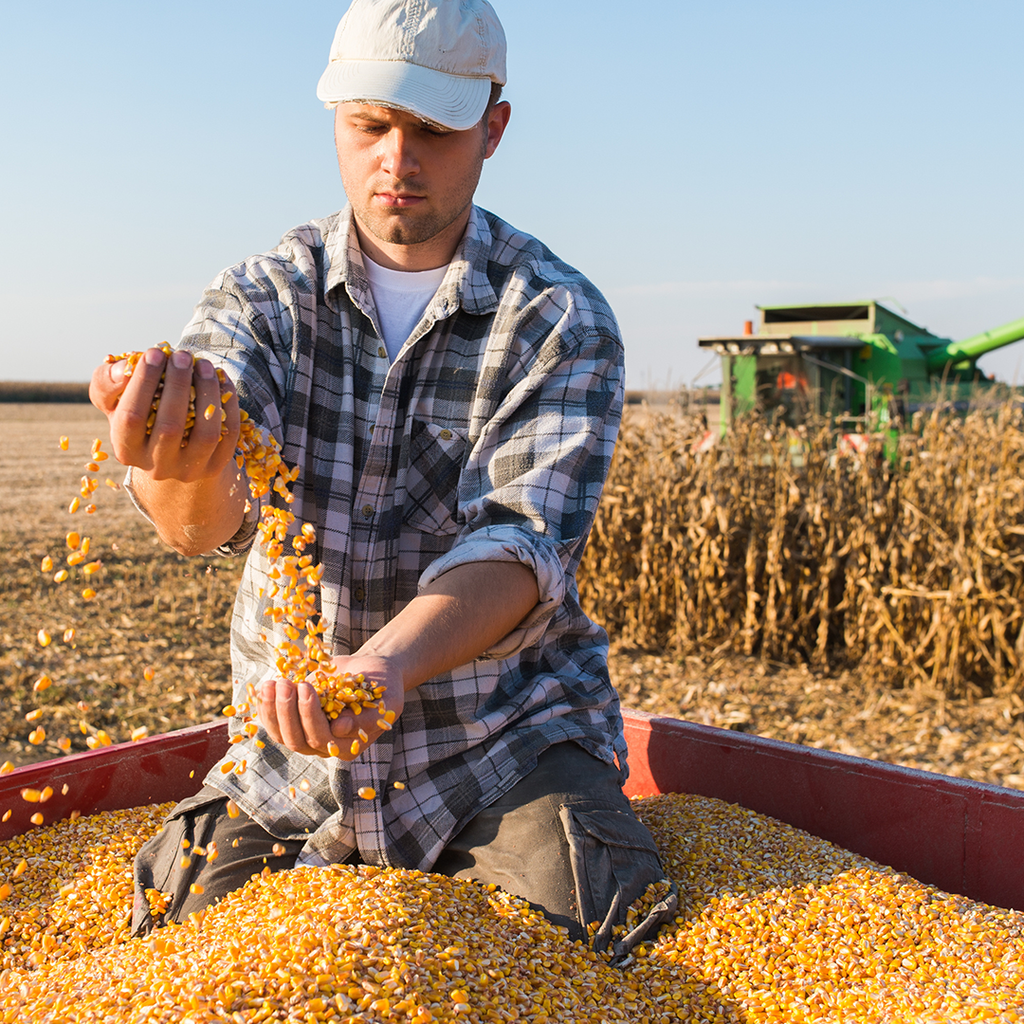
It’s tempting to crown a winner based on one field, one plot or one especially impressive
number on the yield monitor.
But farming rarely works that way.
Weather, soils, planting dates, disease pressure and other factors can affect product
performance from one field to the next. That’s why Latham evaluates products across multiple
locations and environments before making placement recommendations.
The goal isn’t necessarily to find one hybrid or soybean variety to plant everywhere. It’s to build
a package of products with different strengths that fit the individual fields across your
operation.
That diversity can help spread risk while giving each acre a better opportunity to perform.
Turn Observations into Better Decisions
Put those harvest observations to work as you begin planning for 2027. Consider what you
learned alongside field history, product characteristics and performance data from multiple
locations and environments.
At Latham, that’s how we approach product placement, too. The goal isn’t simply to identify the
highest-yielding product. It’s to understand where each product performs best — and help
farmers put the right genetics on the right acres.
Maybe a hybrid impressed you with its standability. A soybean variety handled disease pressure
particularly well. Perhaps one field struggled in a way you didn’t expect.
Those observations all add another piece to the puzzle as you evaluate next year’s seed
decisions.
Because the best decisions aren’t made from a single number.
They’re made by understanding the whole field.
As you harvest this fall, don’t just collect the crop.
Harvest the information that can help make next season even stronger.